The Foundling Museum, Bloomsbury
9th September, 2026
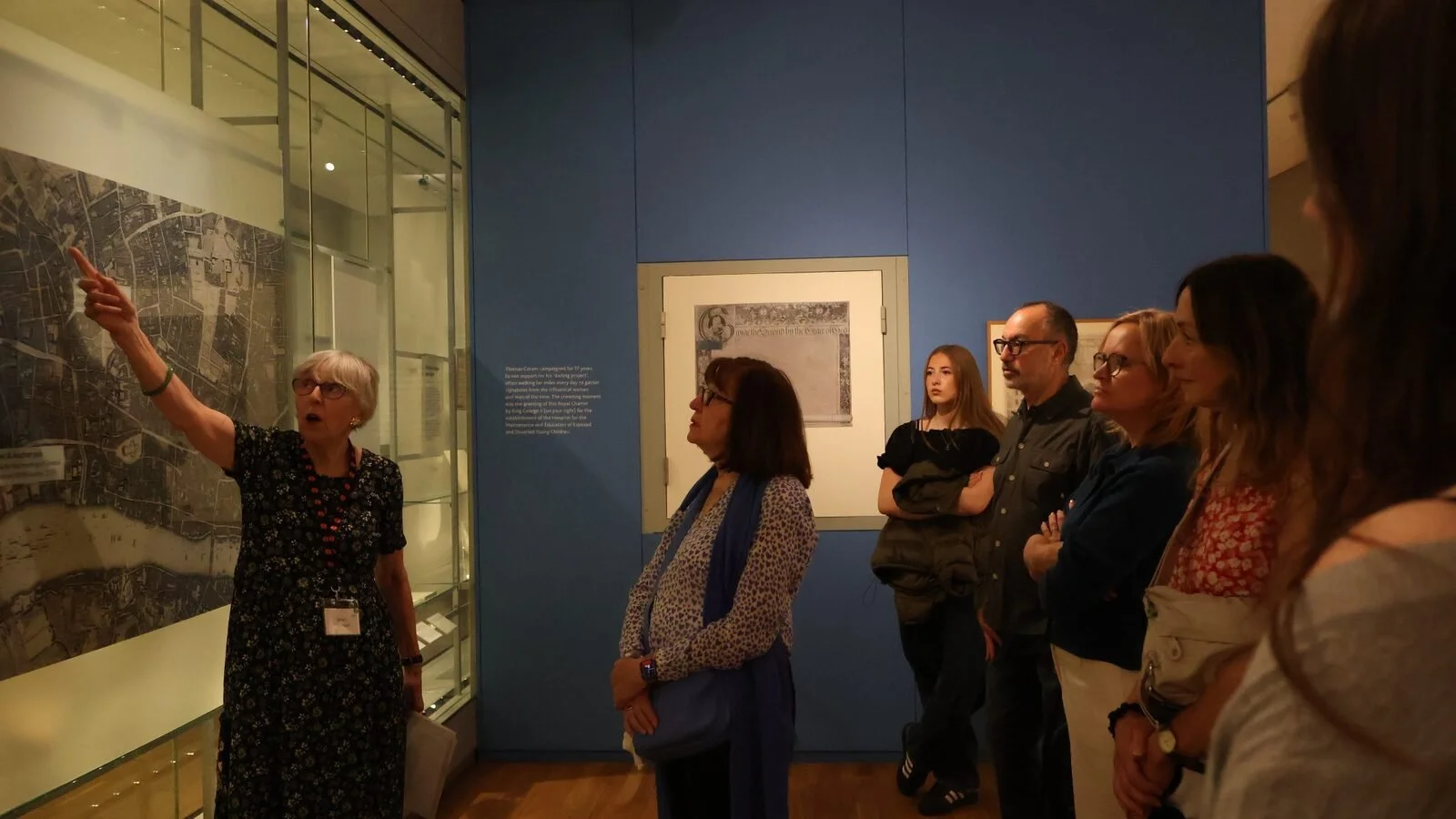
Tucked away in peaceful Brunswick Square, the Foundling Museum tells the story of the Foundling Hospital, established in 1739 by the determined philanthropist Thomas Coram. Appalled by the number of babies being abandoned in eighteenth-century London, Coram campaigned for 17 years before finally receiving a Royal Charter to create a place where vulnerable children could be cared for and educated.
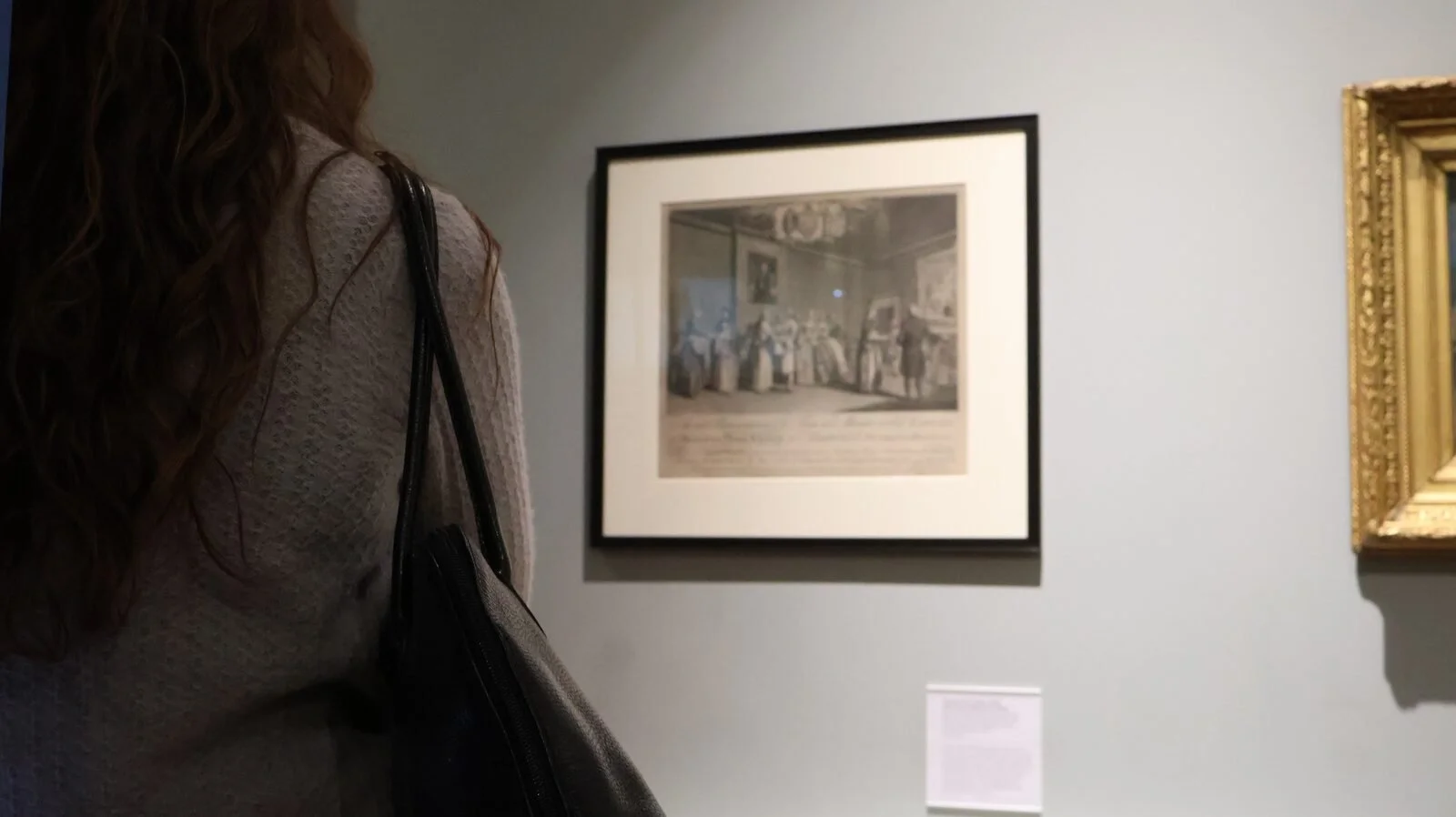
The Hospital’s story is also entwined with two of the greatest creative figures of the Georgian period. William Hogarth encouraged leading artists to donate their work, while George Frideric Handel raised money through performances of Messiah. Their involvement helped make the Hospital one of London’s most fashionable charitable institutions—and created what became Britain’s first public art gallery. Over two centuries, the Foundling Hospital cared for around 25,000 children; its work continues today through the children’s charity Coram.
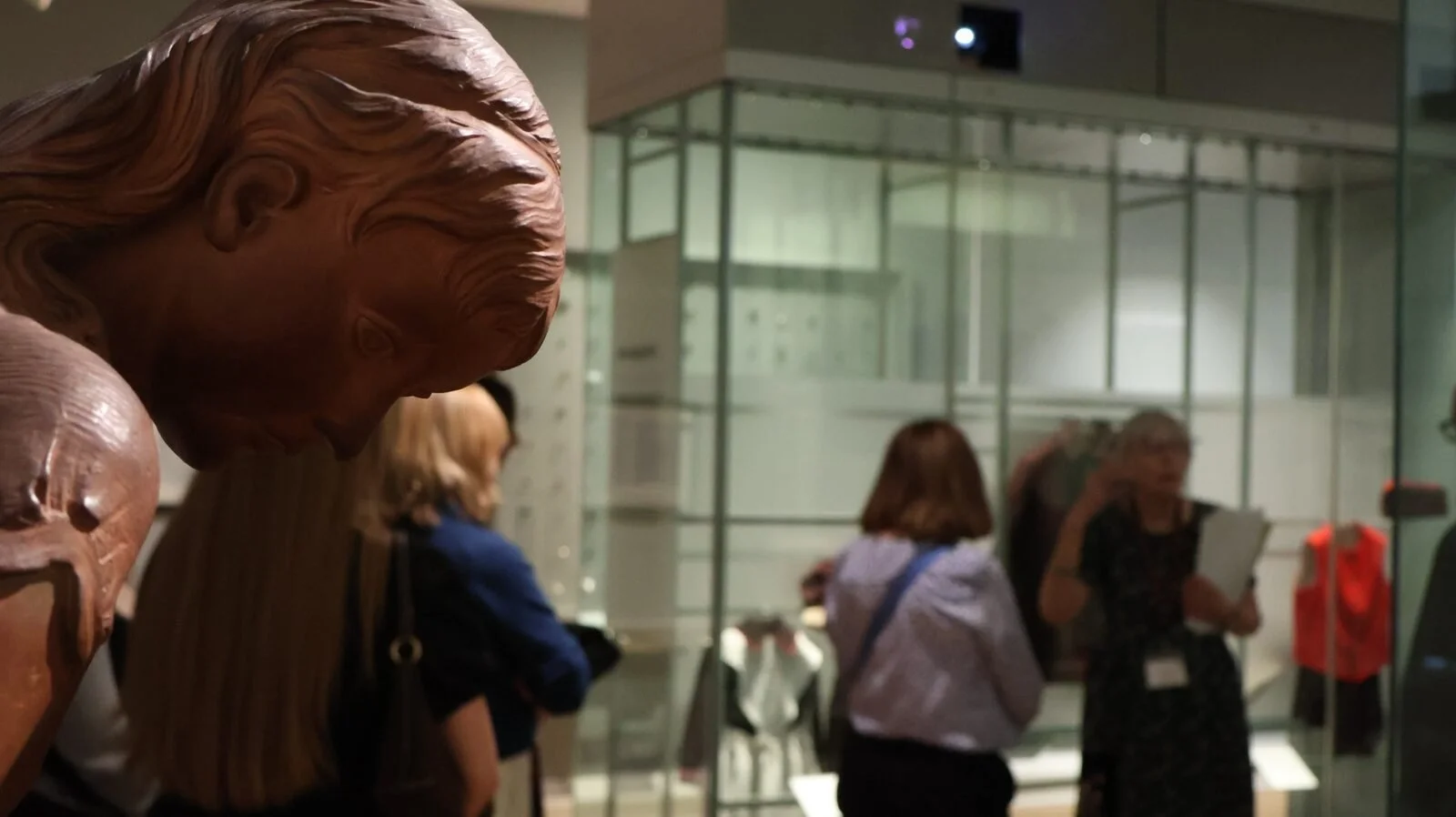
What makes the museum so remarkable is the way it brings together art, music and intensely personal human stories. Grand portraits and beautiful eighteenth-century rooms sit alongside everyday possessions and the tiny tokens left by mothers when they entrusted their babies to the Hospital.
What we discovered
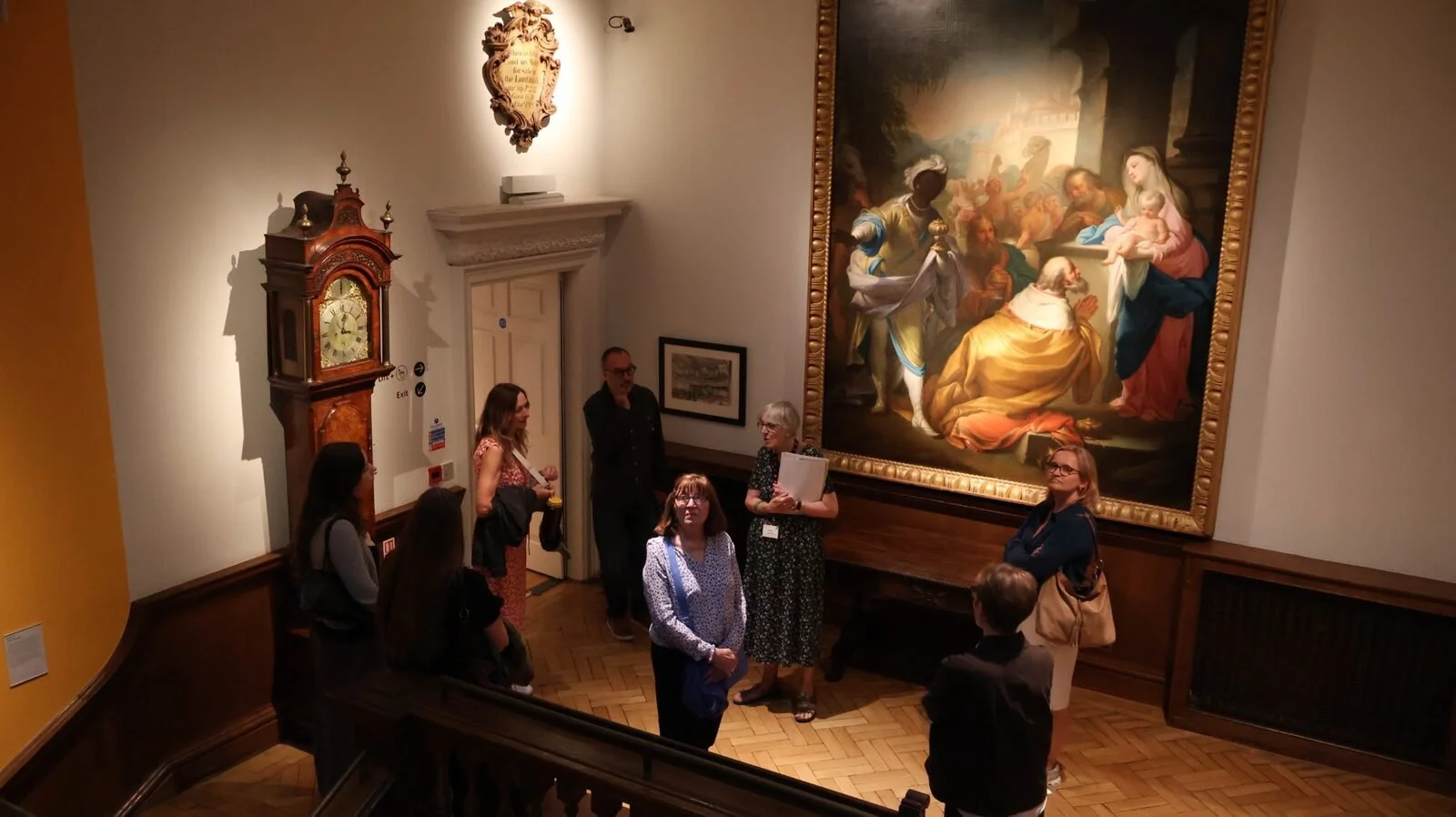
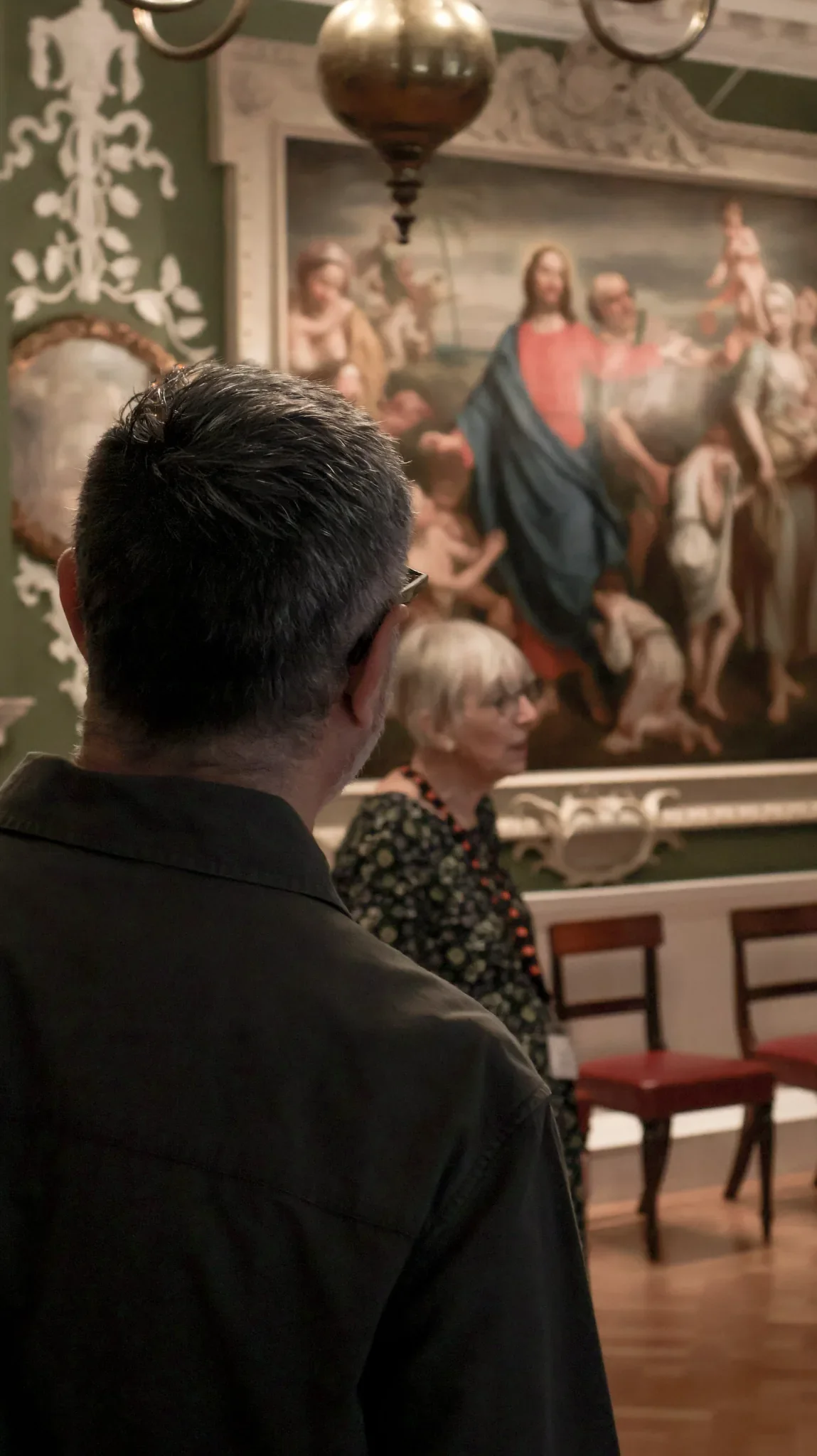
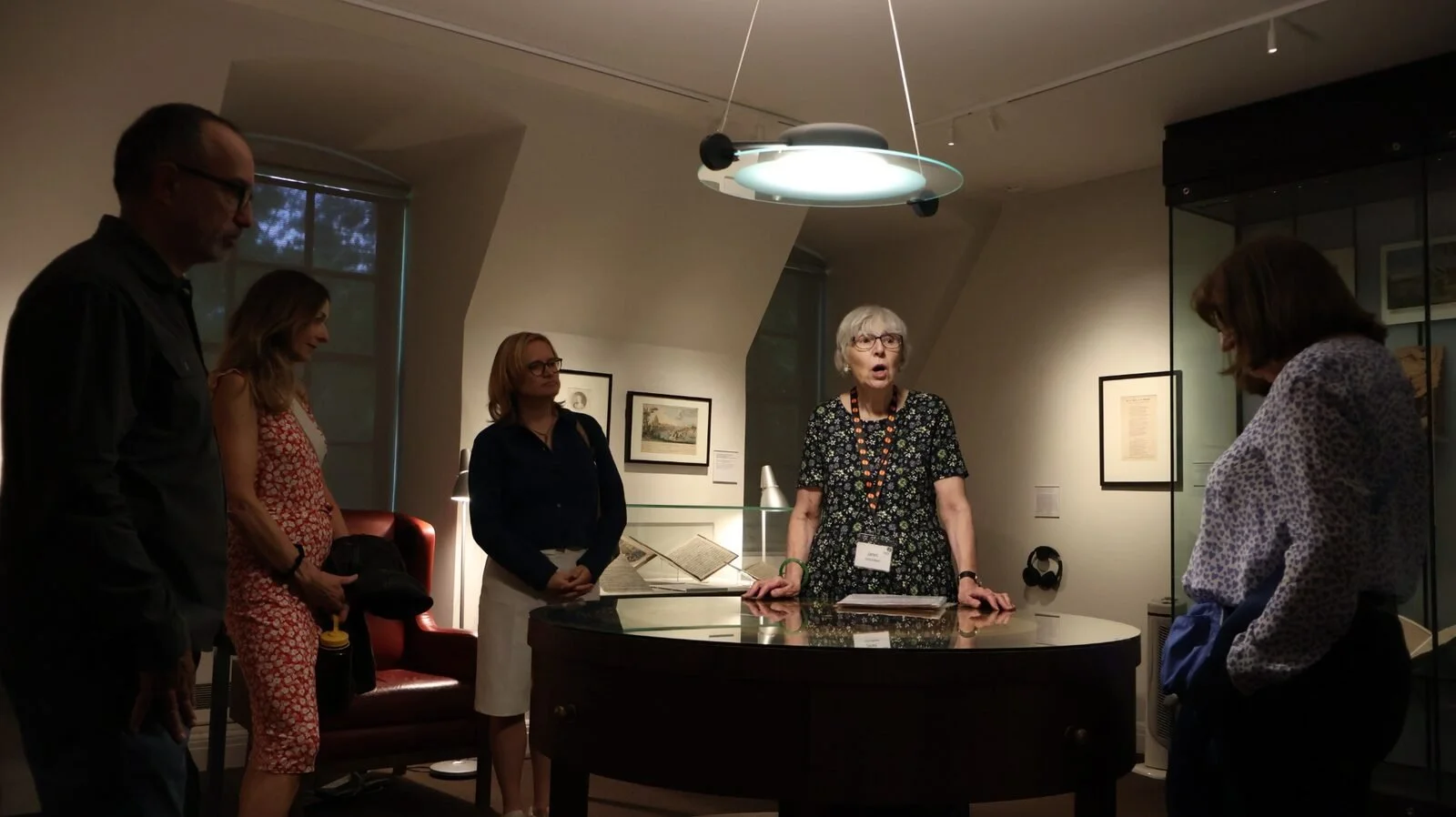
Janet, our private guide, introduced us to the extraordinary determination of Thomas Coram and the influential circle of artists, musicians and supporters who helped bring his vision to life.
Among the most moving exhibits were the identifying tokens left by mothers with their babies. These small objects—including coins, buttons, jewellery and scraps of fabric—were kept with the children’s admission records in the hope that mother and child might one day be reunited.
We also explored the museum’s recreated historic rooms, admired Hogarth’s portrait of Thomas Coram and discovered more about Handel’s close relationship with the Hospital. The collection includes Handel’s will and the manuscript score of Messiah that he bequeathed to the institution.
The tour revealed many more surprising and poignant details, but those are best discovered during a visit.
Where we ate
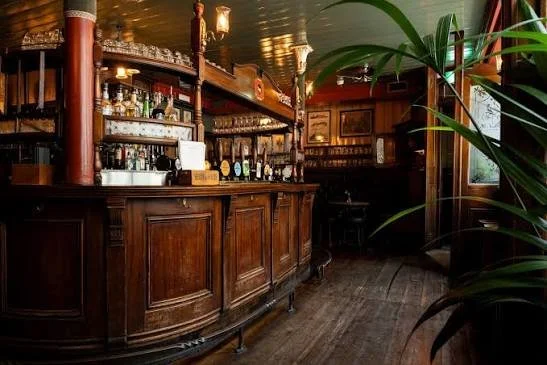
After the tour, we took the short walk to The Lamb on Lamb’s Conduit Street. Dating from the 1720s, this atmospheric pub retains much of its Victorian character, including its unusual wooden “snob screens”. Its literary associations include Charles Dickens, Sylvia Plath and Ted Hughes.
The traditional surroundings made it a fitting continuation of our morning in historic Bloomsbury. Over a relaxed lunch, there was plenty of time to discuss the museum, get to know one another and share some of our favourite discoveries from the tour. The pub serves British classics alongside vegetarian and fish options, with a selection of beers, wines and other drinks.
Plan your own visit
The Foundling Museum
40 Brunswick Square
London WC1N 1AZ
The nearest Underground station is Russell Square, approximately four minutes away on foot. King’s Cross St Pancras and Euston stations are both around a ten-minute walk away.
The museum has ramped access at its main entrance and a lift serving all floors. Accessible toilets and seating are available, and a wheelchair can be reserved in advance. Disabled visitors receive the concessionary admission rate, and accompanying carers are admitted free. Full details can be found on the museum’s accessibility page.
Visit the Foundling Museum website for current opening hours, admission prices and exhibitions.
The Lamb
94 Lamb’s Conduit Street
Bloomsbury
London WC1N 3LZ
The pub is within walking distance of both Russell Square and Holborn stations. As it is a historic building, anyone with particular access requirements may wish to contact the pub before visiting.
View current menus, opening hours and booking information on The Lamb’s website.